
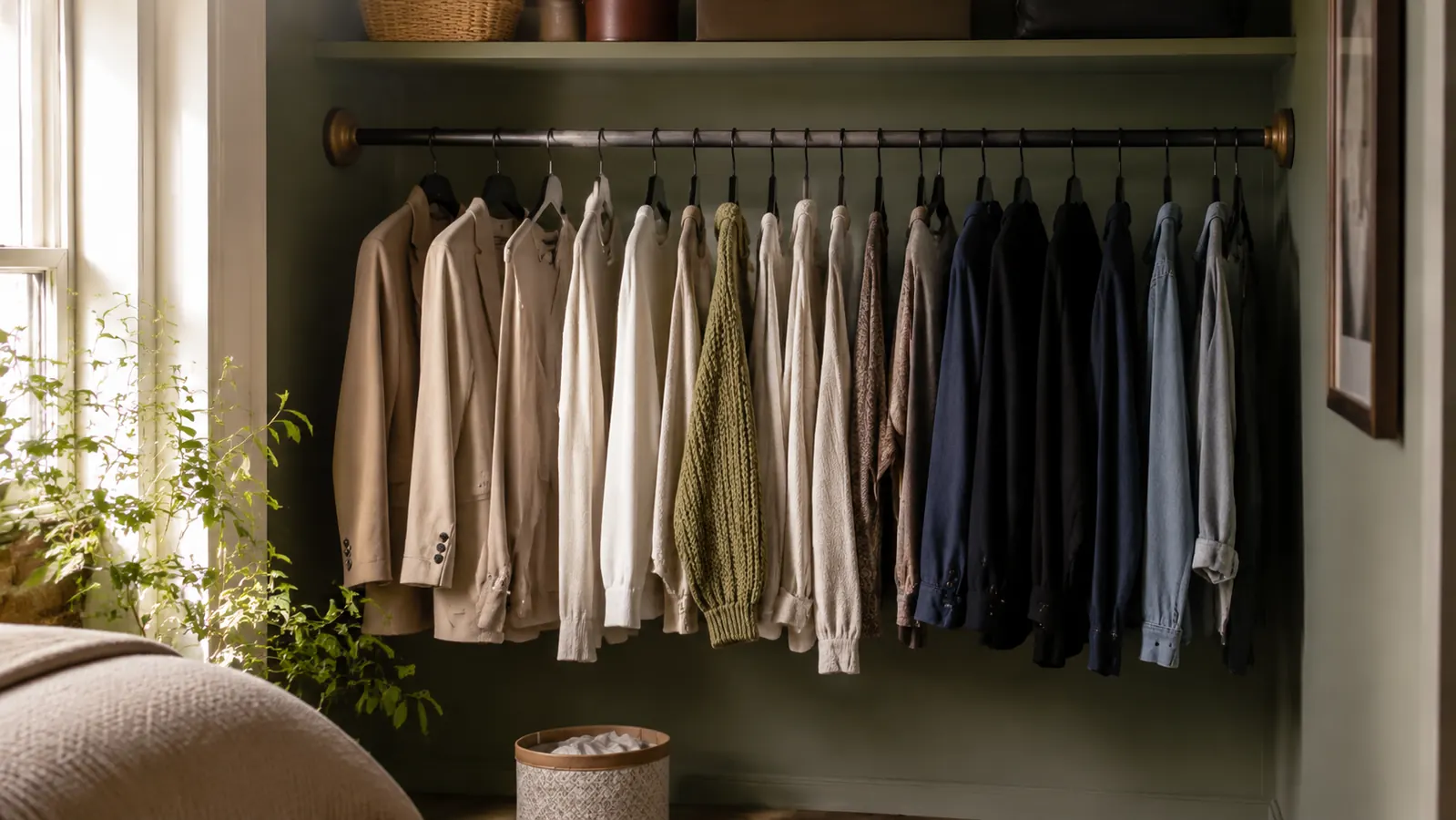
Here is the version of the velvet hanger review I wanted before my second order. The five-star ratings tell you they are slim, they do not slip, and your closet will look better. All of that is true. What they skip is the velvet shedding that happens the first three weeks, the rotating hook that is either a feature or an annoyance depending on how your rod is set up, the specific garment categories where velvet hangers are the wrong tool entirely, and the number that matters more than the hanger count: what a 100-pack actually covers in a real wardrobe, versus the math Amazon wants you to believe.
I am using the Our Modern Space 100-pack in my current closet. I have also gifted a second box to a friend with a walk-in closet and watched her run into problems I had already seen coming. This review is built from both of those experiences, and it covers the things that will matter to you between weeks one and six, not just day one.
The Quick Verdict
Genuinely good hangers, but most people run into at least one avoidable frustration because nobody explained the shedding phase, the hook behavior, or the knitwear problem before they ordered.
Amazon Check Today's Price →Most of the surprises are manageable if you know what to expect going in
The Our Modern Space 100-pack is still what I recommend for a small closet overhaul. The details in this review will help you set it up right the first time so you are not troubleshooting in week two.
Amazon Check Today's Price on Amazon →The Velvet Shedding Nobody Warns You About
Every velvet hanger sheds during the first few weeks of use. This is not a defect specific to Our Modern Space. It is a characteristic of how velvet pile is attached to the hanger body. The individual fibers are short, typically under 2 millimeters, and the ones that are not fully bonded to the surface work loose during early handling. On a dark or black garment, you will see this as a faint dusty fuzz on the shoulders after the first handful of uses.
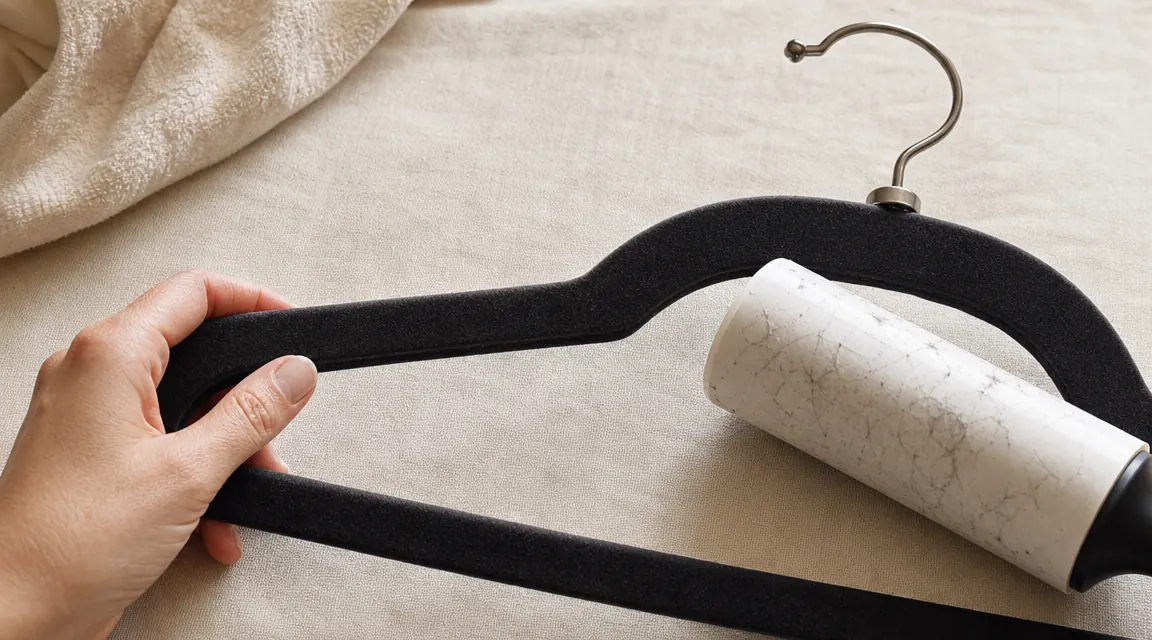
The practical fix is straightforward but nobody puts it in the listing: run every new hanger through a quick hand-wipe before loading your closet. A damp cloth dragged along the velvet surface in one direction pulls off the loose fibers before they transfer to your clothes. I do this in batches of 20 or 25 over the sink. It takes about four minutes per batch. If you skip this step, plan to use your lint roller more liberally on dark blazers and black dresses for the first two to three weeks. After that, shedding effectively stops.
One specific situation where shedding is more noticeable than usual: if you hang a freshly dry-cleaned item on a new velvet hanger the same day the box arrives. The dry-cleaning process leaves garment fibers more electrostatically receptive, which means the velvet fuzz clings harder than it would to a washed item. If you have just picked something up from the cleaner, use a plastic hanger for that piece until your velvet hangers have had a week of use on other items first.
The Rotating Hook: What It Does and When It Causes Problems
The Our Modern Space hook rotates 360 degrees. Most listings mention this as a feature, and for people who hang garments facing a specific direction or angle items toward a light source when getting dressed, it is useful. But there is a scenario where the rotating hook creates a mild annoyance that reviews do not discuss: when the closet rod is overfull.
On a packed rod, adjacent hangers apply lateral pressure to each other. With a fixed-hook hanger, that pressure holds each hanger roughly perpendicular to the rod. With a rotating hook, hangers under pressure from both sides can spin slightly and tilt the garment forward or backward on the rod, especially for lighter items like silk blouses or thin knit tops. The result is that garments sag toward you when you open the closet instead of hanging flat against the back wall. This is more cosmetic than functional, but if you are organized enough to care about the visual, it is worth knowing.
The fix: do not overload the rod. These hangers work best when garments have approximately 1/2 inch of clearance between them. If you are packing them tighter than that to fit everything on one rod, you will see the tilting behavior on the lighter items. That spacing constraint is also why the 100-pack covers fewer garments than you might expect in a high-density closet. I will get to the math on that shortly.
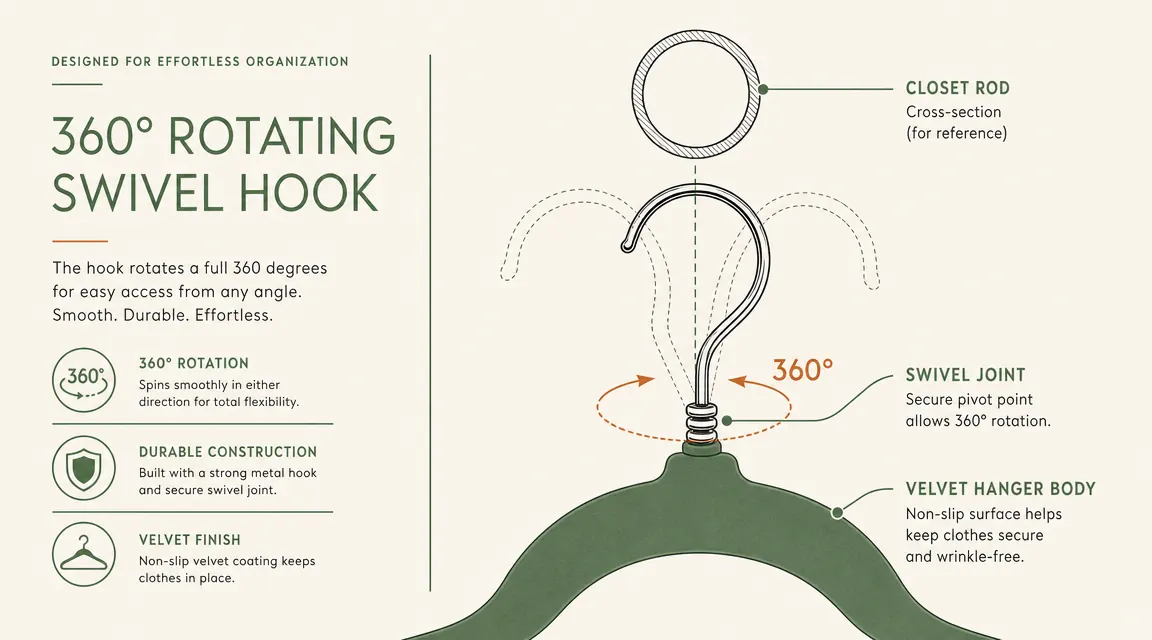
The rotating hook is a feature for most people and a minor annoyance for anyone whose rod is packed tight enough that adjacent hangers press against each other.
The Garment Types That Are Genuinely Wrong for Velvet Hangers
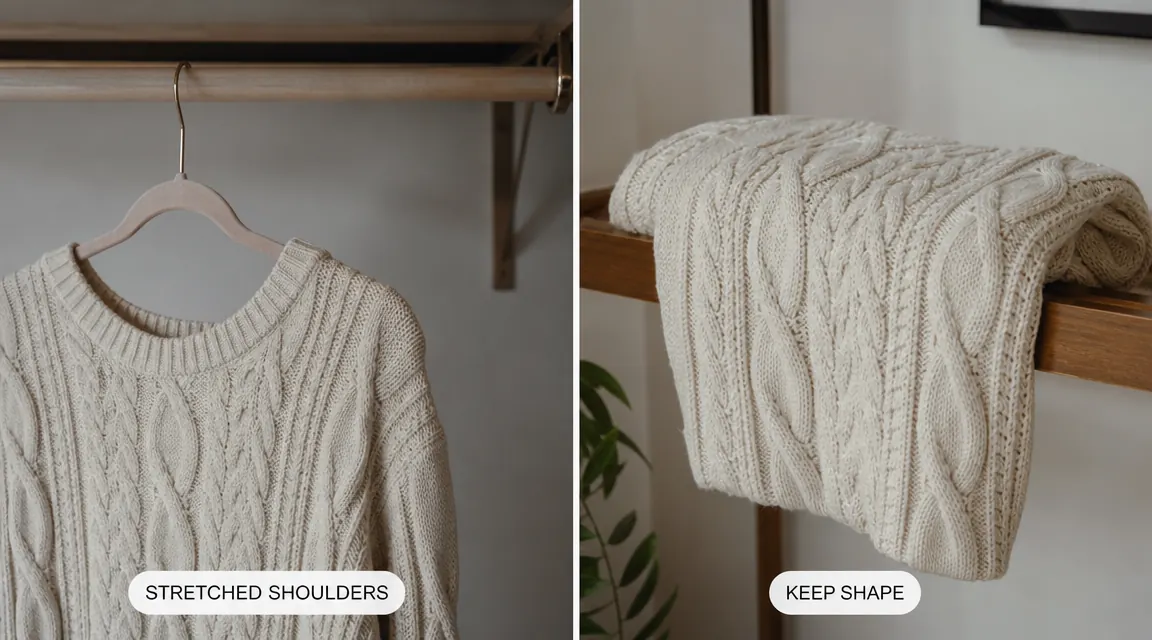
Heavy outerwear is the obvious one, and most reviews cover it. What reviews rarely cover is knitwear, and this is the one that catches people off guard. A bulky cable-knit sweater, a thick merino wool cardigan, a chunky turtleneck: these should not go on a slim velvet hanger and not just because of weight. The problem is the narrow shoulder width. Most velvet hangers, including this one, measure approximately 16 to 17 inches at the widest shoulder point. A standard adult shoulder span for a medium sweater is closer to 18 to 20 inches. When a heavy knit garment sits on a hanger that is 2 to 4 inches narrower than the garment's shoulder, the weight concentrates at two narrow contact points and over weeks of storage you get visible shoulder points, the two little bumps at the shoulder seams that are almost impossible to remove without steam-blocking. If you have knitwear in your closet, fold it on a shelf or use a wider hanger for those specific items.
Structured dress shirts and button-down oxfords are another category that sits in an awkward middle ground. The velvet surface grips the collar band and back yoke aggressively enough that if you pull the shirt off the hanger at an angle rather than lifting it straight up, the collar and shoulder seams get torqued in a way you do not experience with a smooth plastic hanger. Over time this can cause a persistent off-center collar lean on stiff cotton shirts. The fix is simple: always lift garments straight up off the hanger rather than sideways, but if that is not how you naturally reach into your closet, keep this in mind.
Beaded or sequined items deserve their own mention. The velvet pile will catch on loose beads or snag sequin edges, and in a worst case a bead can catch in the velvet deep enough to pull a thread when you remove the garment. I keep two smooth satin-covered padded hangers for my one beaded dress. It is not a common wardrobe situation, but if you have formal wear with surface texture, assign those pieces a different hanger type before something snags.
The Real Space Math for a 100-Pack
The marketing language around velvet hangers almost always references the dramatic comparison: six velvet hangers in the same space as four plastic ones, or a version of that claim. That comparison is accurate at the individual hanger level. What it does not account for is the functional spacing you need between garments on a real rod.
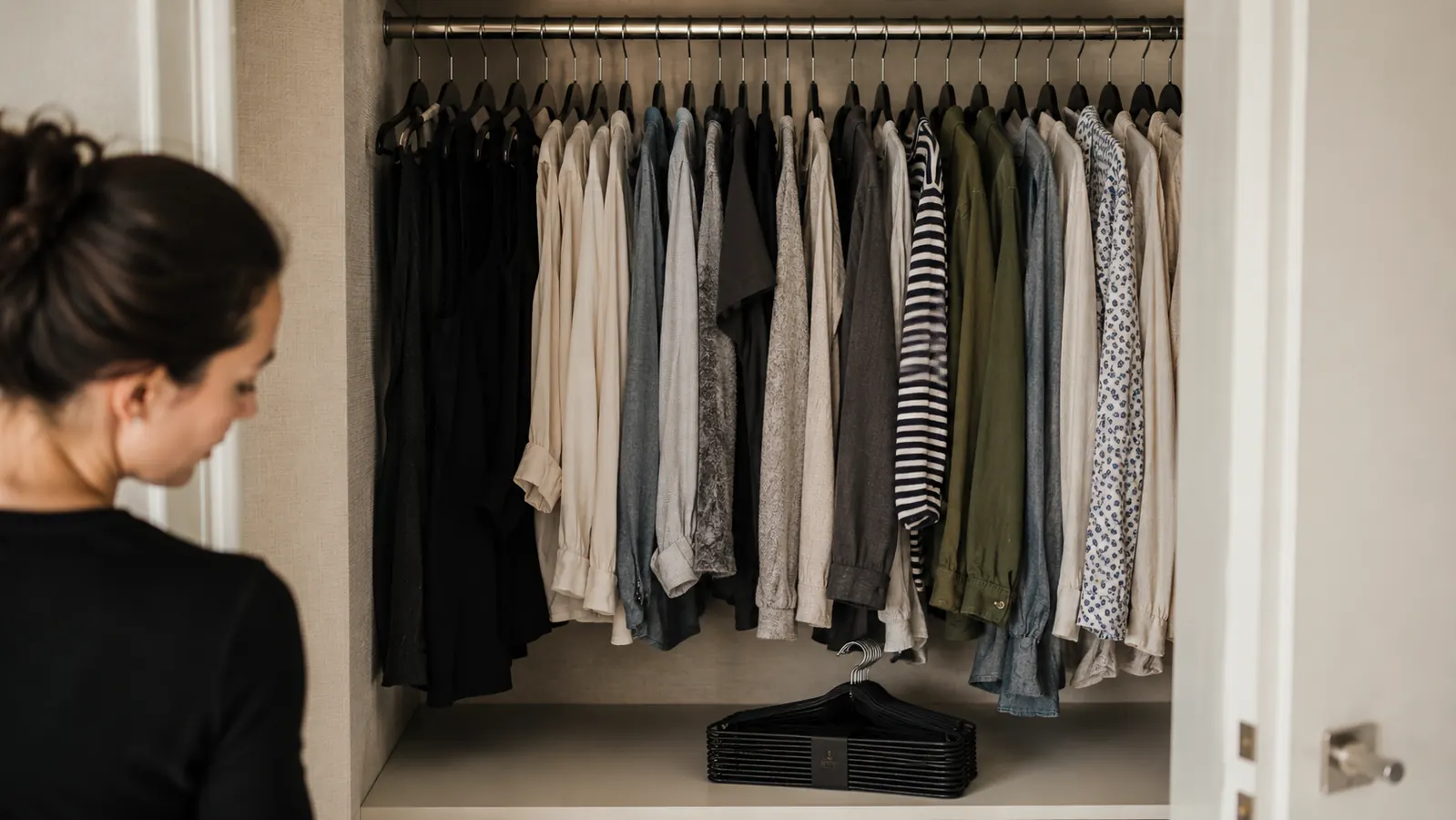
A reasonable rule for a small closet: each garment needs about 1 inch of visible rod space between it and the next garment for you to browse comfortably and for air to circulate enough to prevent mildew on natural fibers. A slim velvet hanger is roughly 5/16 inch thick at the body. So each hung item occupies approximately 5/16 inch of hanger plus 1 inch of garment spacing, call it 1.3 inches of rod per item. On a 36-inch rod, that is roughly 27 items at comfortable spacing. On a 48-inch rod, about 36 items. On a 60-inch walk-in rod, about 46 items.
A 100-pack is more than enough for most single-person closets, and you will have extras. For a couple sharing a single double closet or a walk-in divided between two people, 100 may be short if each person has more than 45 to 50 items on the rod. My friend with the walk-in ordered 100 and came up 12 hangers short for one side of her closet. She ordered a second pack and now has 30 extra. If your closet situation falls somewhere in the middle, measure your rod in inches and divide by 1.3 to get a realistic hang count before you order. That number is more useful than the hanger-to-hanger space comparison the listings lead with.
What Happens to the Hangers You Do Not Use
In a single-person reach-in closet, a 100-pack usually leaves 20 to 30 hangers spare. Those extras are not waste. I use mine in four specific ways: a small set in the laundry area for air-drying shirts and blouses on the drying rack, a handful in the coat closet for guest jackets, two or three in a hall closet for reusable bags and small totes I hang by their handles, and the remainder stored flat in a drawer for seasonal rotations when I swap winter to summer items.
What you should not do with extras is leave them bare on the rod mixed in with loaded hangers. Empty velvet hangers in a packed closet tend to migrate and bunch, and the velvet sticks to itself and to neighboring garment fabrics. A bare velvet hanger against a cashmere sweater for two months will transfer surface fuzz and potentially create a mild pilling zone on the fabric where contact was heaviest. Separate your spares. A simple rubber band around a bundle of 10 and placed on a shelf is all it takes.
Cleaning and Maintaining Velvet Hangers
This topic appears in zero reviews I have read, and it is genuinely useful to know. Velvet hangers collect dust. After about three months of use, the pile picks up ambient dust particles and the hangers develop a slightly dull look. The fix takes about ten minutes once every few months: dampen a microfiber cloth with plain water, no soap, and wipe each hanger in one direction along the pile rather than back and forth. Wiping against the pile direction raises the fibers and leaves them looking freshened. Let the hangers air dry for 30 minutes before reloading garments.
What you should not do is use any cleaning product with alcohol, bleach, or silicone on velvet hangers. Alcohol strips the dye from the velvet and leaves light streaks. Silicone-based sprays reduce the grip dramatically, which defeats the main reason you bought them. Plain water, applied sparingly, is all that is needed.
What I Liked
- Non-slip surface genuinely eliminates overnight garment slippage
- Slim profile creates real rod-space gains on any rod under 48 inches
- 100-pack covers a full single wardrobe with extras for seasonal rotation
- Rotating hook allows directional hanging for browsing ease
- Easy to clean with a damp cloth every few months
- Shoulder notches hold thin straps without additional adjustments
Where It Falls Short
- Velvet shedding onto dark garments for first 2 to 3 weeks if not pre-wiped
- Rotating hook allows hanger tilt on overfull rods, affecting visual alignment
- Wrong choice for chunky knitwear, beaded garments, and heavy structured blazers
- 100-pack short for couples sharing a large walk-in without a second order
- Empty hangers must be stored separately or they transfer fuzz to neighboring fabrics
- No cleaning guidance in the box, and the wrong cleaner removes grip permanently
Who This Is For
The Our Modern Space 100-pack is the right choice if you have a standard single-person reach-in or small walk-in closet, a mix of tops, pants, dresses, and light blazers, and you have been dealing with clothes pooling on the closet floor or a rod so packed you cannot see individual garments. The pre-wipe step takes care of the shedding window, knowing about the knitwear problem saves you a ruined sweater, and the 1.3-inch-per-garment spacing math tells you whether 100 is enough before you order. You can find the full long-term use review if you want to see how these specific hangers hold up at the six-month mark.
If you are organizing a shared closet or a large walk-in with more than 60 items per rod section, order 150 or two 100-packs. The per-hanger price drops marginally in volume and you will not come up short at the end of the rod.
Who Should Skip It
Skip velvet hangers entirely if your wardrobe is more than 30 percent knitwear or heavy structured wool. The slim profile and the grip that makes these hangers excellent for lighter garments works against you with thick, heavy fabrics. Knitwear belongs on a shelf or a wide-shoulder hanger, and velvet is not the solution for that category.
Also skip if your closet rod is shorter than 30 inches and you are trying to hang more than 22 items. You will end up packing the rod tight enough that the rotating hooks cause consistent tilt and the visual benefit, which is a large part of why people buy these, largely disappears. A step-by-step closet overhaul guide covers how to measure and plan the transition so you are not finding that out after the box arrives.
Now that you know what to watch for, the setup is actually straightforward
Pre-wipe the hangers before loading, keep knitwear off the rod, leave 1/2 inch of breathing room between garments, and store your extras in a bundle. Done in that order, the Our Modern Space 100-pack does what it promises. Check current pricing and availability on Amazon.
Amazon Check Today's Price on Amazon →